
Are Your Tires Ready for Winter? Here’s How to Check

When winter sets in, icy roads and freezing temperatures put extra pressure on your car’s most important safety feature: your tires. Many drivers underestimate how much cold weather reduces traction, lowers tire pressure, and affects overall performance. The result? A higher risk of slipping, skidding, or even accidents that could have been prevented.
The good news is that a quick inspection and timely replacement can make all the difference between a stressful drive and a safe one. In this guide, we’ll walk you through simple ways to check your tires, know when it’s time for replacements, and prepare for safer driving all season long.
Why Winter Tire Safety Matters
Your tires are the only contact you have between your car and the road. Their effectiveness determines how easily your vehicle grips, accelerates, and brakes in wet, icy, or snowy conditions. Even if you have the most advanced vehicle safety systems, they won’t offer that much needed protection if the tires can’t perform well.
When temperatures become cold, your tire pressure, tread performance, and even the materials in the rubber suffer. Proper maintenance is crucial for your tire safety during winter.
Here are steps for checking your tires before hitting the roads this winter.

Step 1: Check Tire Tread Depth
Tread depth is a primary factor in determining whether your tires are ready for winter. The grooves in your tires channel water, slush, and snow away from the tire, providing better traction.
Here’s how to check:
- First, try the penny test. Insert a penny into the tire tread with the head upside down. If you can see the top of Lincoln’s head, your tread depth is too shallow and you need immediate replacement tires.
- If you’re going to drive in winter, make sure you have at least 5/32 to 6/32 of an inch of tread depth. Anything less than that puts you in the risk of hydroplaning or losing grip on icy roads.
You should also check if your tread wears unevenly as this may also signal alignment or suspension issues that you must correct before winter kicks in.
Step 2: Check Tire Pressure
Tire pressure drops by about 1 PSI for every 10-degree Fahrenheit decrease. Underinflated tires reduce fuel efficiency, wear unevenly, and provide less traction. Such tires can cause a huge risk in icy or snowy roads.
Here’s what you can do about it:
- Check your tire pressure regularly using a pressure gauge. It’s advisable to do this once every two weeks in winter.
- Always refer to your vehicle’s door placard or owner’s manual for the correct PSI. Don’t rely on the number on the tire itself.
Proper tire pressure gives you added traction, keeps you safer, and extends tire life.
Step 3: Inspect for Cracks, Bulges, or Damage
Cold weather can make rubber more brittle, increasing the chances of cracks, cuts, or bulges. These are warning signs that your tire may fail under stress, especially in harsh conditions caused by winter weather.
You should inspect your car more often for the following signs:
- Internal damage with signs such as bulges or bubbles.
- Deteriorating tire rubber indicated by cracks or cuts.
- Mechanical issues which are mostly shown by uneven wear.
Any of the above signs is a clear indication that you need to replace your tires.
Step 4: Evaluate Tire Age
Tires that have been hitting the road for a long time may appear fine, but the truth is that they’re old. The compounds in the rubber harden with time and reduce flexibility and grip.
Here are some of the ways to know if your tires are already too old and not suitable for winter driving:
- Look for the DOT code on your tire sidewall. The last four digits indicate the week and year of manufacture. For example, 1022 shows the 10th week of 2022.
- If your tires are over six years old, you should check them closely for any signs of trouble. Tires that are over 10 years old need replacement, regardless of their tread.
Step 5: Consider Switching to Winter Tires
While your all-season tires may look good enough for mild climates, they may not serve you well when in snow or ice. Winter tires are made with special rubber that keeps them flexible enough in cold weather. They also come with tread that is specifically designed to provide enough grip needed during winter.
If you live in a region with harsh winters, investing in a set of winter tires is one of the best ways to drive safely. Here are some of the benefits you’ll likely get if you buy winter tires:
- Shorter braking distances on snow and ice.
- Improved traction when starting and turning.
- Better overall handling in freezing conditions.
Cost of New Tires
Budget is an important concern when it comes to car replacement tires. The costs vary widely based on brand, size, and performance level. Here is a breakdown of the costs.
- Economy tires usually range from $50 to $100 per tire. These are basic models suitable for small cars.
- Mid-range tires cost around $100 to $200 per tire. They balance performance, safety, and durability.
- Premium or winter tires often run between $200 and $400 per tire. These include high-performance, all-terrain, or specialized winter options.
- Replacement tires may cost anywhere from $150 to $500 each, depending on materials (steel vs. alloy).
- For a full set of four, expect to spend anywhere from $400 to $1,600 on tires alone, plus possible installation, alignment, and balancing fees ($50 to $150).
Additional Tips for Winter Driving
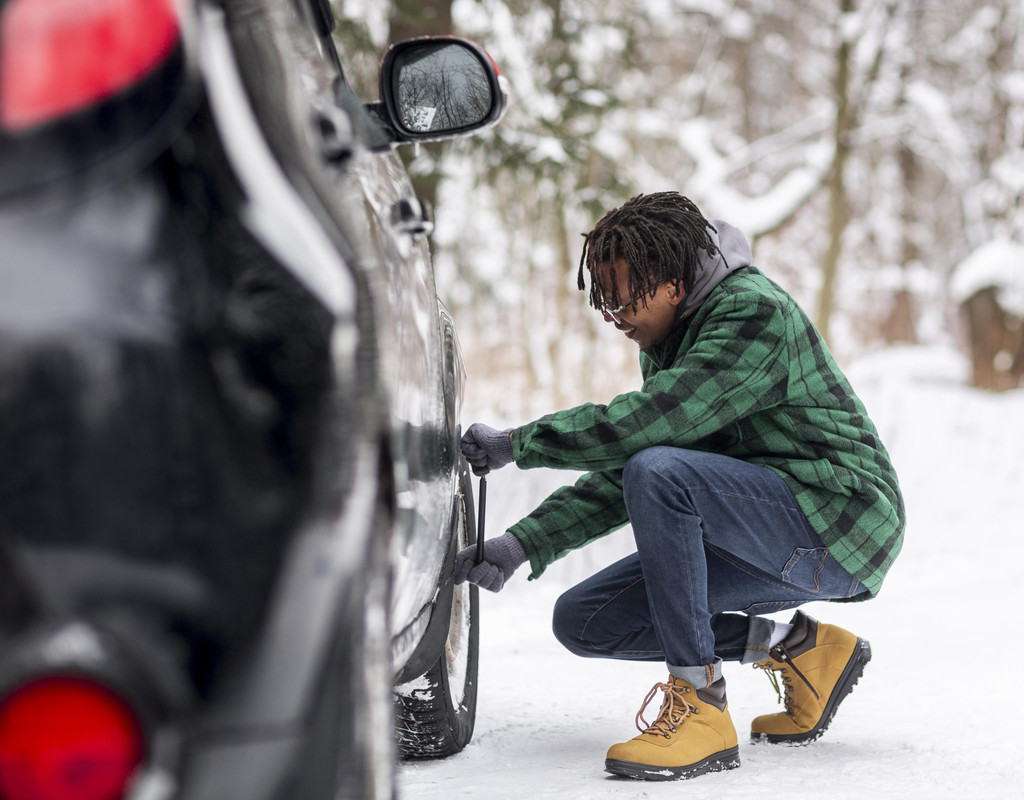
Winter driving requires preparation beyond just your tires. Here are some deeper tips to make sure you’re ready for any conditions:
- Rotate Your Tires: Rotating your tires will ensure the tread wears evenly and improve its longevity and safety. Consider rotating every 5,000 to 7,500 miles, or sooner if you notice uneven wear.
- Balance and Alignment: Proper alignment prevents your car from pulling to one side on slippery roads. Balancing also reduces vibration and strain on suspension.
- Check Your Wheels: Snow and ice often hide potholes that can bend or crack your wheels. Inspect them regularly to prevent damage that can cause tire leaks.
- Maintain Brakes and Suspension: Tires can’t work properly if brakes or suspension are worn. Have them inspected before winter to guarantee reliable stopping power.
- Keep Tire Chains or Traction Aids: In areas with heavy snow, chains or traction mats can help in emergencies.
- Warm Up Your Car Safely: Avoid spinning your wheels when stuck in snow. Instead, gently accelerate and use sand, kitty litter, or traction mats for grip.
- Carry an Emergency Kit: Keep essentials like a flashlight, blanket, shovel, jumper cables, and extra windshield washer fluid in your trunk. These supplies come in handy if you get stranded.
- Monitor Road Conditions: Check weather forecasts and road advisories before traveling during winter season. Even the best tires can only do so much in severe storms.
Drive Safely with Bucks Lending
Don’t wait until the first snowstorm to check the condition of your tires. Carrying out a quick inspection and smart planning can save you from dangerous situations later.
Remember, winter can be extremely overwhelming to your car tires if you don’t prepare them adequately. We understand that the cost of maintenance or buying new car tires can also strain your pockets. However, preparing yourself and staying safe is always worth every investment.
Bucks lending is here to ensure winter doesn’t catch you off guard. Don’t let the cost of new tires or winter maintenance keep you from driving safely. If unexpected expenses come up, Bucks Lending is here with flexible loan options to help you stay on the road and protect your family this season.